Real teams solving actual problems together
Most training talks about collaboration but doesn't actually require it. We built something different.
Domain started in 2021 when a group of facilitators in Carleton Place got tired of watching teams sit through generic workshops that everyone forgot by the next week. We needed exercises where people had to genuinely work together to get anywhere, where one person couldn't just dominate while others checked their phones.

How we actually work
The core idea is straightforward: give teams problems that require multiple perspectives to solve, then get out of the way and let them figure it out. The tricky part is calibrating difficulty so groups stay engaged without getting frustrated.
Problems that need multiple brains
Our challenges are designed so no single person has all the information or skills needed. Teams have to pool knowledge, compare notes, and build solutions together. This isn't artificial teamwork for the sake of teamwork; it's structured so collaboration is the only path forward.
Feedback happens immediately
Teams see results right after they submit an answer. If something went wrong, they can discuss what happened and try a different approach. This rapid cycle helps groups learn from mistakes without waiting days for instructor comments or feeling embarrassed in front of everyone.
Difficulty adjusts as you go
The system tracks how teams perform and adjusts challenge complexity accordingly. Groups that solve problems quickly get tougher scenarios; those struggling get more scaffolding. This keeps everyone working at the edge of their ability rather than coasting or drowning.
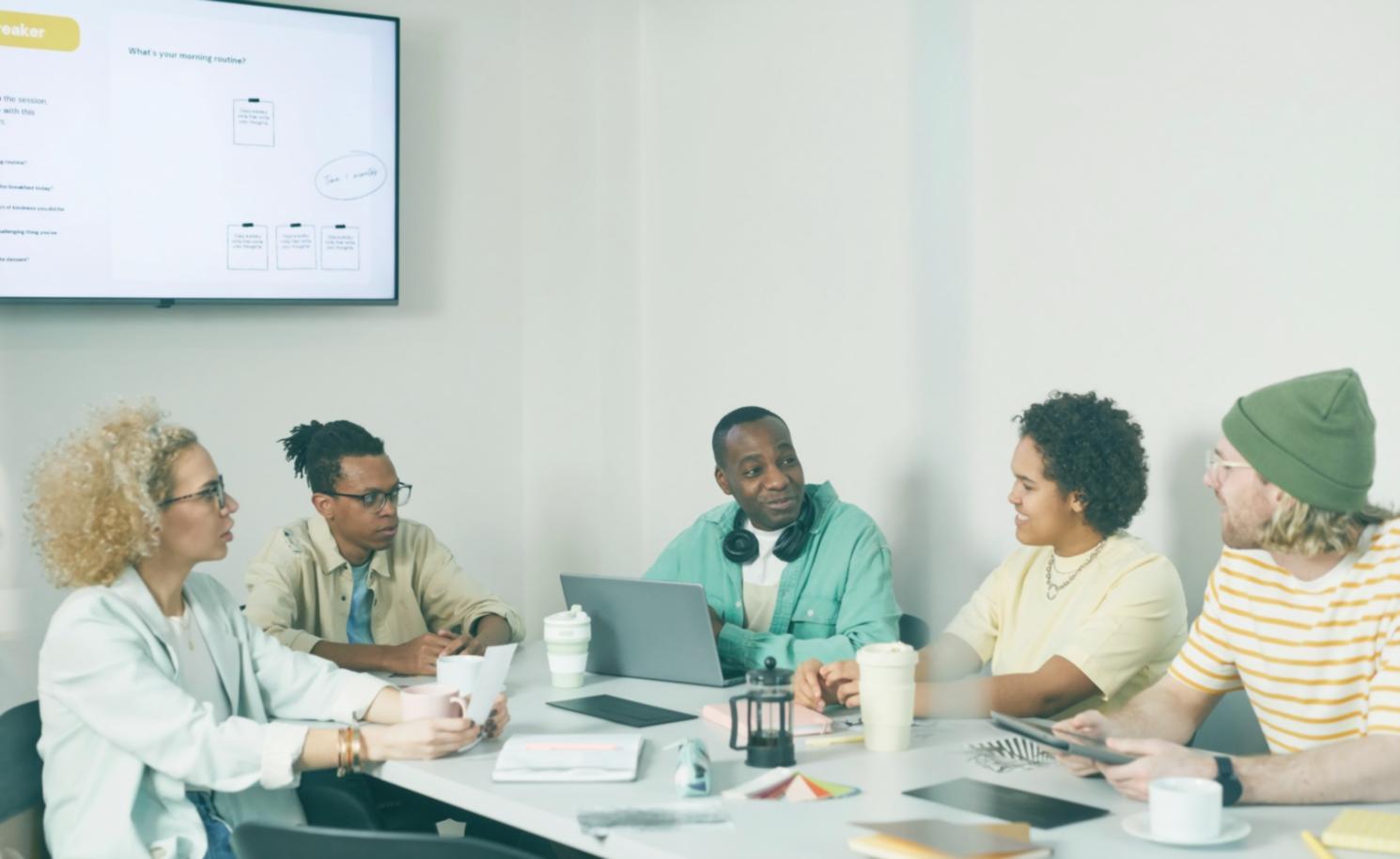


What we learned from five years of running these programs
Early versions of Domain focused too much on individual performance metrics. Teams would split up tasks and work in parallel, which technically got the job done but missed the whole point. We redesigned everything to make parallel work impossible; now information is distributed across team members in ways that force actual conversation.
Another discovery: competitive elements backfire more often than they help. Some teams thrive on racing others, but many just feel pressured and stop experimenting with creative solutions. We added optional leaderboards for groups that want them but made the default experience non-competitive.
The biggest shift came when we stopped trying to teach specific problem-solving frameworks. Turns out teams develop their own methods when given interesting challenges and room to experiment. Our role is creating environments where that natural learning happens, not prescribing the "correct" way to collaborate.
Teams that complete our full program typically report better communication patterns and more willingness to tackle ambiguous problems. That's what we're aiming for—not certificate credentials, but actual behavioral changes that stick after the training ends.